
Today’s publishers need to think beyond the fixed location of their website and fully integrate with the large hubs of user activity on the desktop, mobile phone, social networks, blogs, and web pages at large. Syndication and widgets power new opportunities to carry content beyond the walls of a single site and into some of the largest brands in the world yet some publishers still haven’t gotten the message. I recorded a 1-hour video presentation earlier this week to better explain the syndication and widget landscape to web publishers.
Category Archives: Software
Yahoo! Open Strategy launch
On Tuesday Yahoo! launched its Open Strategy, exposing Yahoo! account data and social connections to third-party developers. Yahoo! Open Strategy is the third pillar of faith announced by CEO Jerry Yang last year during the company’s rebirth. Y!OS is the new glue connecting the next versions of Yahoo!’s own properties and will eventually power more relevant advertising across the network. In this post I will provide an overview of the new Yahoo! services and its impact on both Yahoo! and third-party developers. Yahoo! Open Strategy is one of the keynote presentations at Widget Summit next week.
Inside the iPhone App Store acceptance process
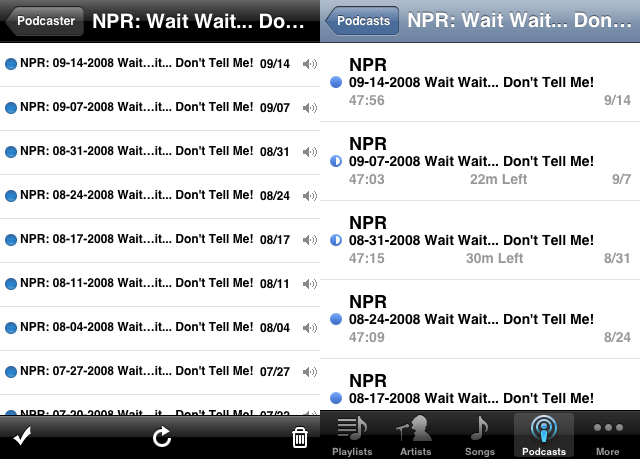
Apple’s relative secrecy regarding the iPhone platform and distribution policies have caused market uncertainties in need of some further clarity. In this post I will examine the iPhone OS 2.0 platform and the iPhone App Store from the point of view of Apple and other hosted storefront providers.
The story behind Google Chrome

Google released its second web browser yesterday afternoon, adding additional headroom for web applications stretching the limits of what it’s possible to accomplish within a web browser. The Google Chrome team assembled domain experts in various fields over the past six years, both through direct hires and acquisitions, to create a new browser and its critical components from scratch. GMail and Google Maps pushed the Web to its limits, taking advantage of browser technologies invented in Redmond but left dormant for far too long. Contributing to Firefox’s core, writing browser extensions, and championing HTML could only take the $150 billion company so far: they needed to own the full browser to push their Web efforts forward at full speed.
Intel and Yahoo! announce Widget Channel for HDTV

The Internet is coming to your TV, reclaiming your split attention span from the other gadgets around the house. Intel announced its latest effort to power your living room yesterday with new media processors, reference designs, and software stacks that may eventually find their way into the cable boxes, Blu-ray players, and home media centers of 2010. Intel partnered with Yahoo! to deliver Internet-connected widgets, advertising, and content to potential partners with a software stack branded The Widget Channel. What new opportunities are available inside the Widget Channel platform? When is the right time to implement?
Announcing Widget Summit 2008
I am hosting a my third annual Widget Summit conference November 3rd and 4th at Hotel Nikko in San Francisco.
Sniff browser history for improved user experience

The social web has filled our websites with too much third-party clutter as we figure out the best way to integrate content with the favorite sites and preferences of our visitors. Intelligent websites should tune-in to the content preferences of their visitors, tailoring a specific experience based on each visitor’s favorite sites and services across the social web. In this post I will teach you how to mine the rich treasure trove of personalization data sitting inside your visitor’s browser history for deep personalization experiences.
Data interchange for the social web

Data portability is only useful if outside systems can comprehend the exported data. Well-described and interoperable data sets open new possibilities for context-aware social applications, importing your friends, photos, or genetic markup from an existing system into your current tool of choice. In this post I will discuss website best practices for exporting portable, descriptive data sets in the name of data portability.
Data Portability, Authentication, and Authorization

In this post I will take a deeper look at the current best practices of the social Web from the point of view of its major data hubs. We will take a detailed look at the right and wrong ways to request user data from social hubs large and small, and outline some action items for developers and business people interested in data portability and interoperability done right.
FeedDemon and NetNewsWire are now free
NewsGator is giving away desktop clients FeedDemon, NetNewsWire, and NewsGator Inbox as part of a new plan to capture more enterprise revenue.